

What Am I Feeling? Why Do I Feel That Way? The Art of Emotional Attunement
What am I feeling? Why do I feel that way? These sound like the easiest questions a person could ask themselves; that's exactly the trap. Most of us answer with something true but useless: fine, stressed, off, bad. The real work starts one layer beneath that, in the gap between the vague word you reach for first and the precise one sitting underneath it - and that gap is where insight actually lives.

De-Pedestalizing the Therapist and Calibrating Expectations for Actual Llife-Changing Work in Therapy
A client once asked me, mid-session, if he was doing therapy 'right', as though there were a checklist we were working through, and once we reached the end, he'd have 'done it.' It's a more common question than you'd think, and it usually means someone's expectations of therapy, and of their therapist, need a recalibration. Therapy isn't a quick fix, a silver bullet, or a relationship with someone who has it more figured out than you do. It's something else entirely, and knowing what that something else actually is may be the difference between getting stuck and getting real change.

Ask First: When C Stands for Crazy
There's a version of 'speaking your truth' that isn't brave; it's just fast. I had a nickname for someone I dated for years, on-again and off-again. It was “CJ”, and the C stood for crazy. It took me a long time, and a year of silence between us, to learn that the label was never actually about them; it was about everything I refused to ask before I decided I already understood.

Before We Outsource Connection Entirely: A therapist’s take on talking to ChatGPT
When connection becomes too convenient, we stop building the tolerance for what makes it real. If we outsource the hard parts to AI (the disagreement, the discomfort, the being needed), our capacity for genuine human relationships quietly erodes. Use it or lose it.

Never Expect More Than What Is Possible
A surprising amount of human suffering traces back not to what actually happened, but to the gap between what we expected and what actually happened. In this post, we explore the science behind why our expectations so reliably outpace reality … and what to do about it.
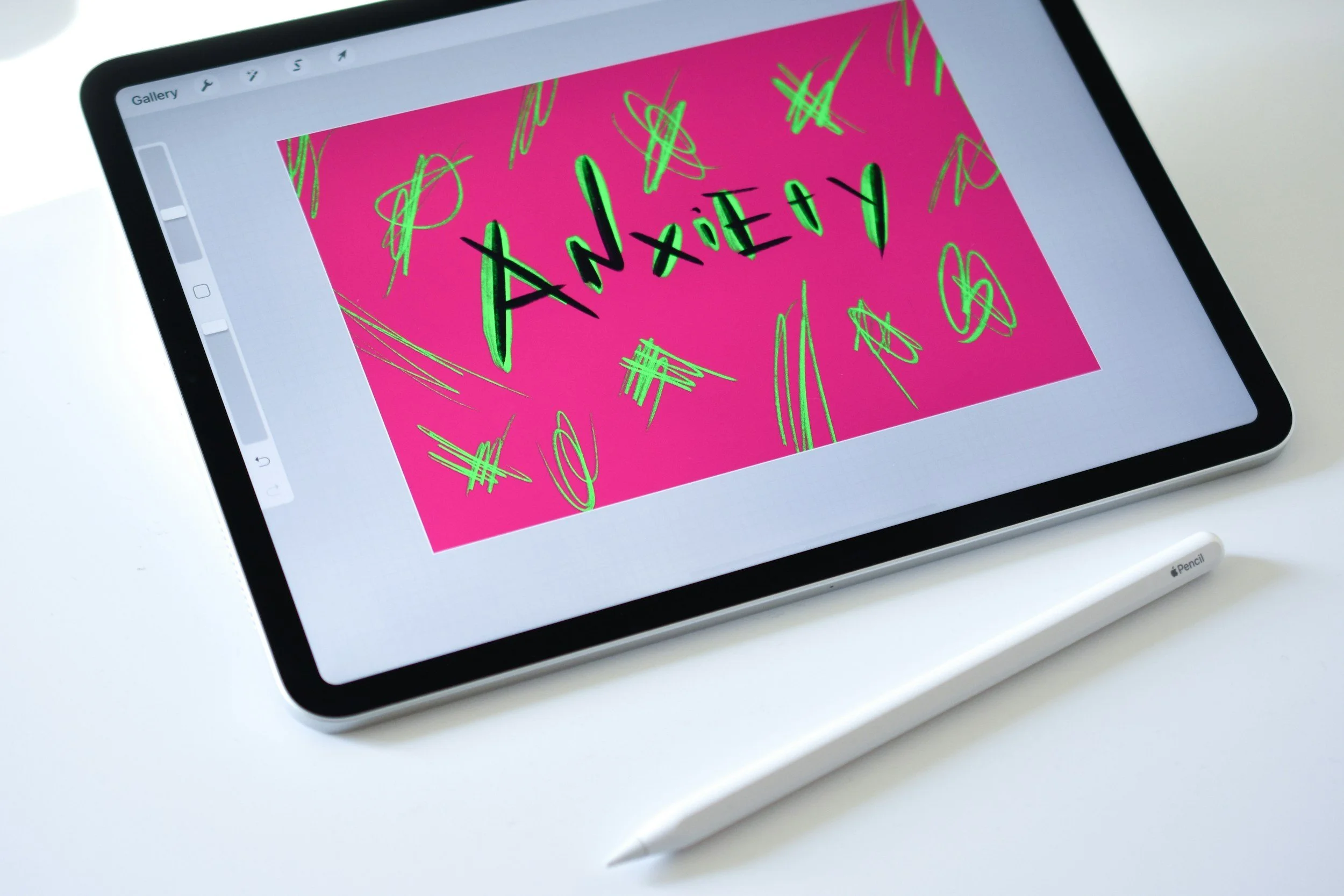
An Anxiety Toolkit
Anxiety often pulls us out of the present, anchoring us in past regrets or future fears, despite being a poor predictor of actual outcomes. Rather than trying to eliminate anxiety, this toolkit emphasizes building a more effective response—grounding in the present moment, taking action where possible, and releasing what’s outside your control. It also encourages challenging harsh self-criticism, limiting overstimulating inputs like constant media, and separating facts from emotionally driven assumptions. Small shifts in awareness—like naming anxiety instead of identifying with it—create distance and restore a sense of agency. Ultimately, the goal is not to avoid anxiety, but to meet it with tools that keep you steady and engaged in real life.

Compassionate Communication: A Five-Step Framework for Hard Conversations
Most of us were never taught how to have hard conversations in a way that preserves connection, leading to patterns like criticism and defensiveness that erode relationships over time. This framework introduces a structured, research-backed approach to communicating clearly and compassionately—reducing threat, increasing understanding, and making collaboration more likely. At its core, this approach isn’t about technique, but about making honesty and connection possible at the same time.

The Grass is Greener (Where You Water It)
It is a common misconception that if people love or like each other enough, the connection will sustain itself over time- but this is sort of like assuming your lawn is going to stay healthy and green just because it started out that way. Disconnection builds quietly. Life happens. But strong relationships require a mindset shift. If a relationship matters to you, you must actively participate in sustaining it.

Lead with Gratitude
Gratitude is more than a polite gesture or seasonal mindset—it is a powerful psychological practice that reshapes how we experience relationships and life. Research shows that intentionally focusing on appreciation improves emotional well-being, strengthens social bonds, and even changes how the brain processes stress and reward. In relationships, expressions of gratitude help create a culture of appreciation that makes difficult conversations safer and connection more resilient. When we lead with gratitude, we shift the emotional climate around us—opening the door to cooperation, reflection, and deeper understanding

Do it Messy, Do it Scared, Do It Unprepared: the ways we get ‘motivation’ all wrong
Action precedes motivation, not the other way around. To embody your own potential, you MUST get started- especially on the things that make you feel messy, scared, or unprepared. Motivation is the reward for action, not the prerequisite.

Developing a Culture of Pause
A culture of pause is the intentional practice of slowing down the space between stimulus and response—long enough to choose how you want to show up. When we move too quickly, especially under stress, our nervous system prioritizes reaction over reflection, often escalating conflict and narrowing perspective. Pause interrupts that cycle, restoring access to empathy, judgment, and alignment with our values. It is not avoidance or passivity, but a deliberate act of emotional regulation that allows insight to become action. Over time, cultivating pause reshapes how we communicate, repair, and relate—both to others and to ourselves.

The Power of the ‘Reframe’
Remember that it costs you nothing to view many of life’s frustrations, irritations, and moments of discomfort as opportunities.

Relationship Rules to Live By
There is no handbook on life or relationships. These relationship rules are designed to approximate what a handbook might say if it were a collaboration between relationship researchers and anthropologists.